The biodiversity of chalk downland
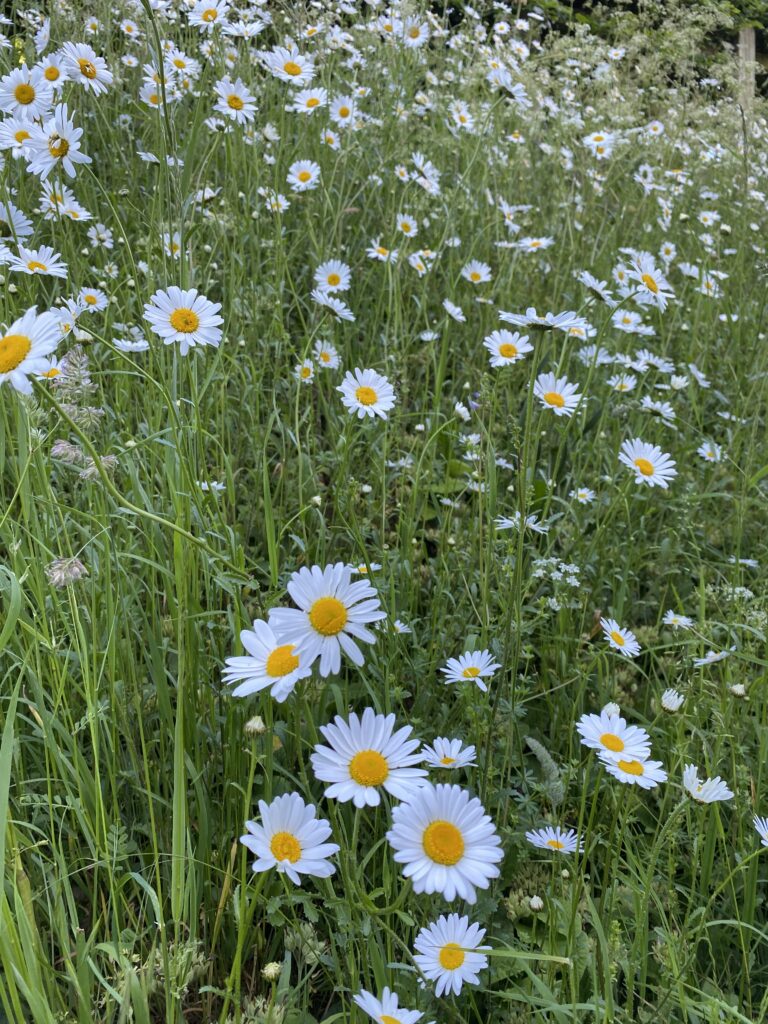
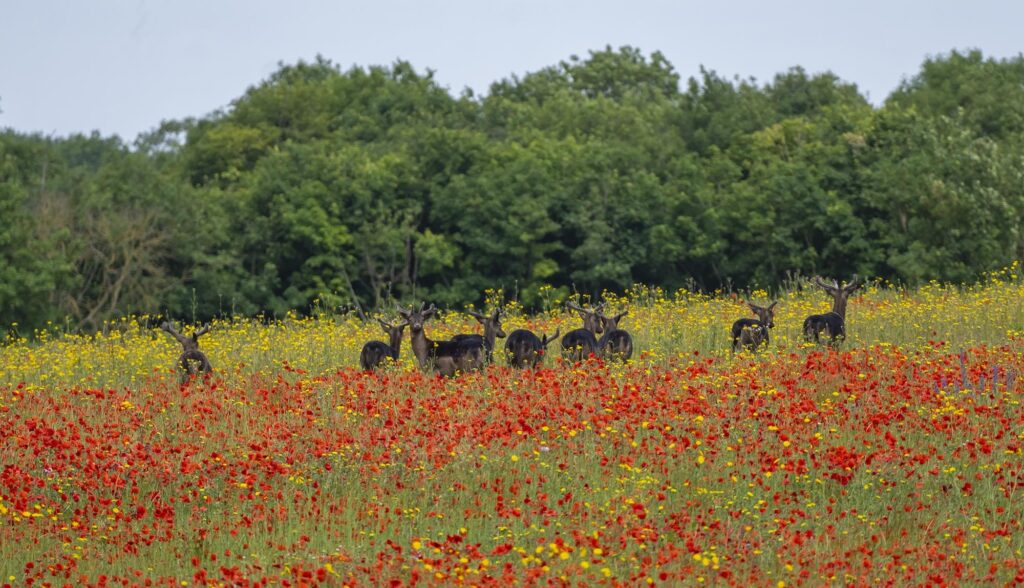
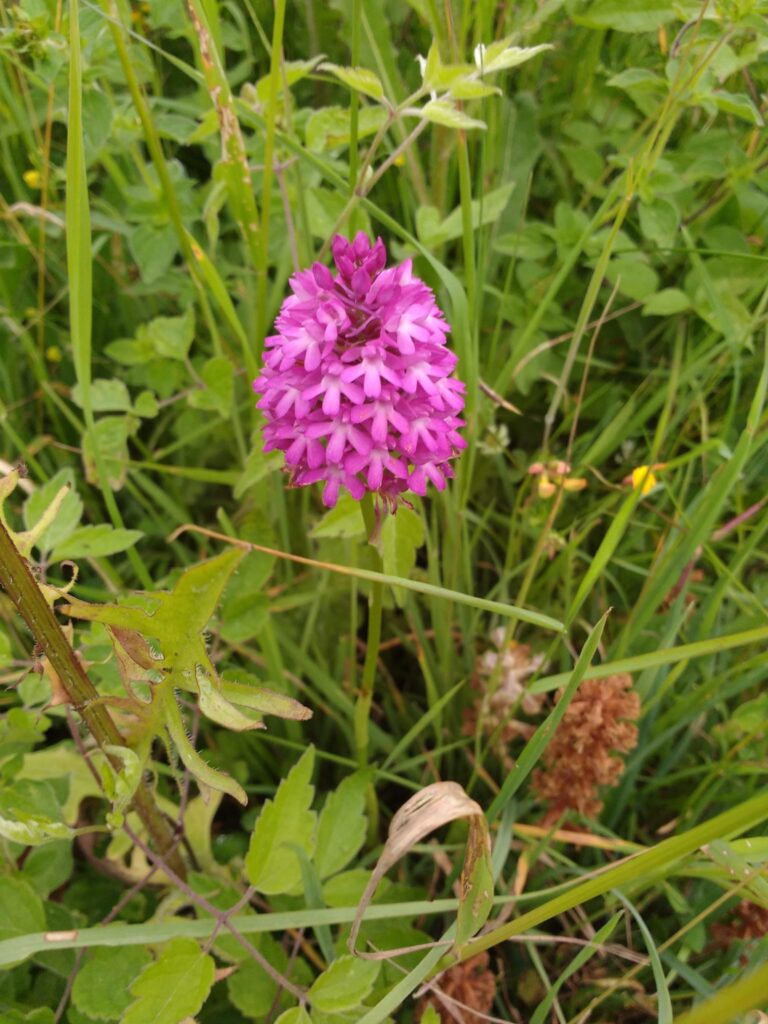
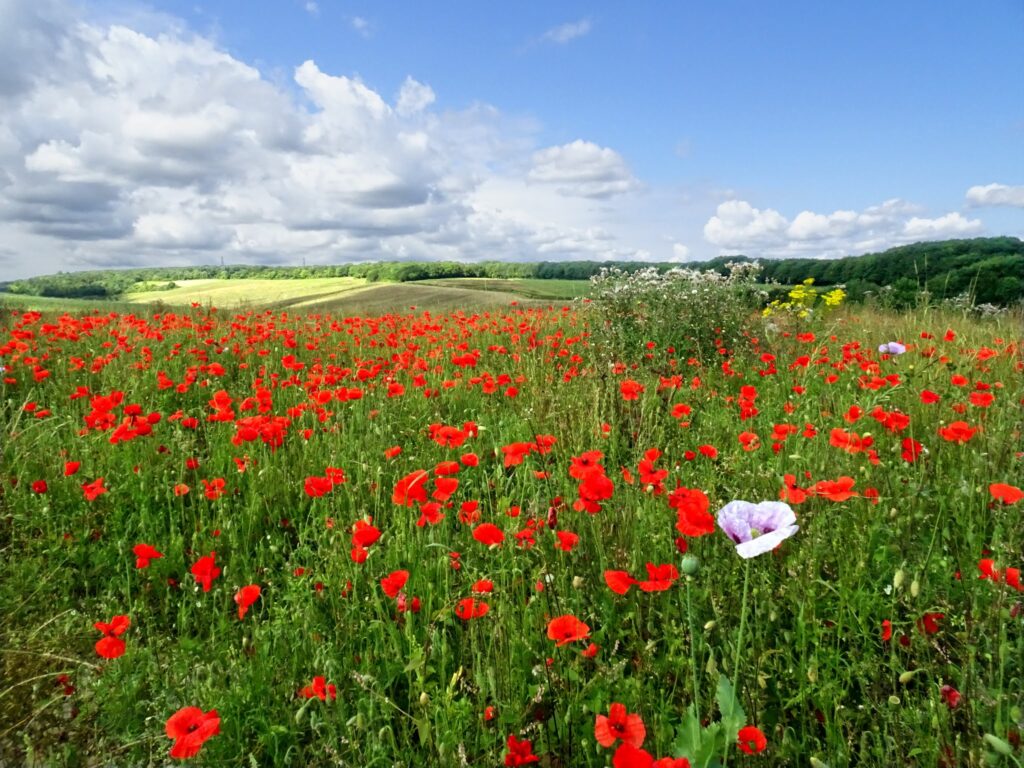
Cuxton is nestled in chalk downland, which supports an inspiring abundance of plants and animals. One square metre of chalk grassland, the European diversity equivalent of tropical rainforest, can hold up to 45 species of flowering plants, including orchids, poppies, ox-eyed daisies and wild marjoram on the dry chalk slopes.
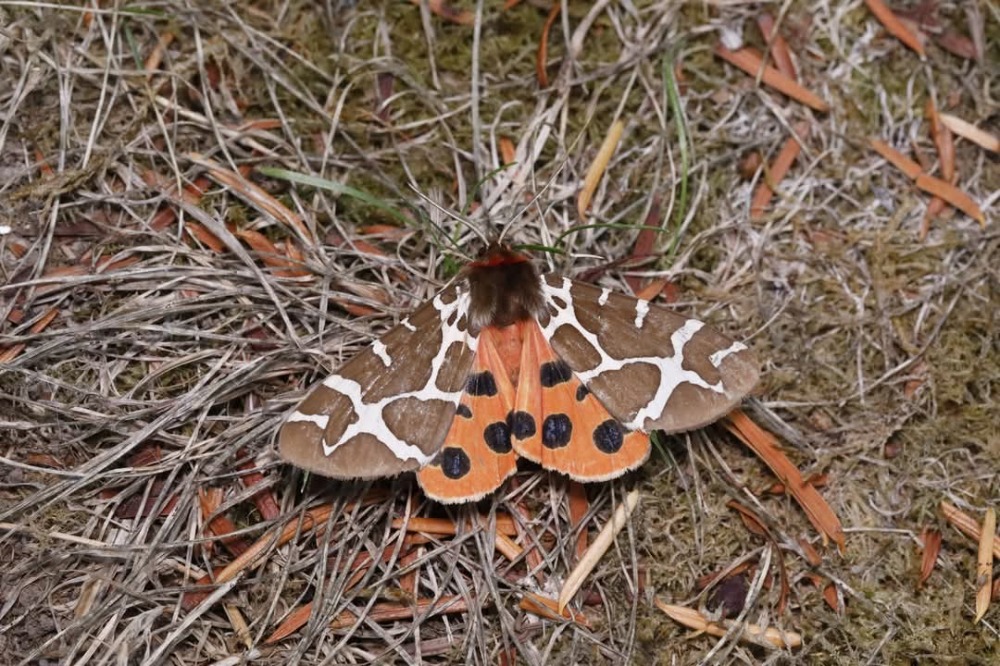
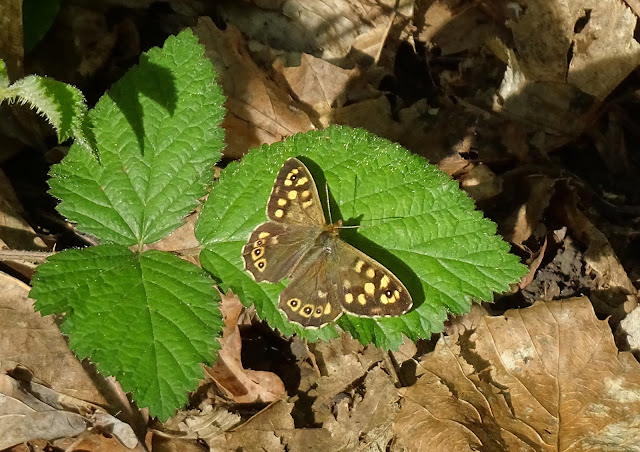
This plant habitat supports over 60% of Britain’s butterfly species, including the striking marbled white. Insects are abundant, alongside the occasional hedgehog, basking lizard and grass snake.
Ancient woodland and its creatures
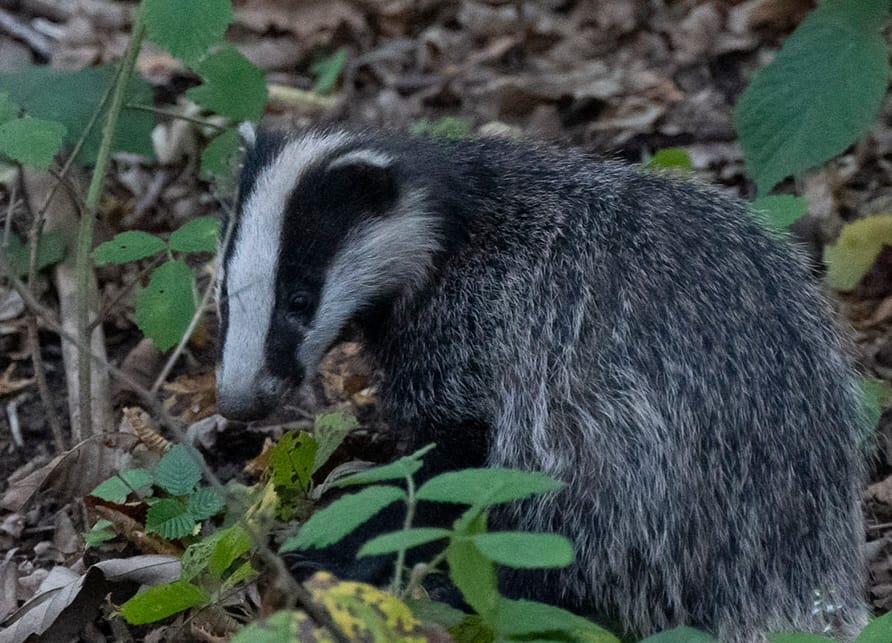
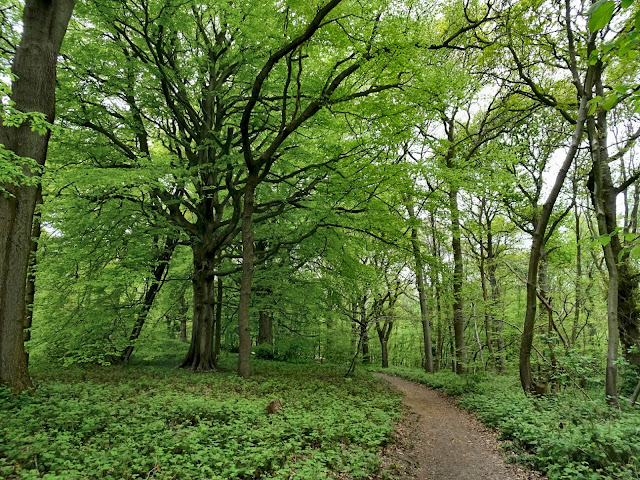
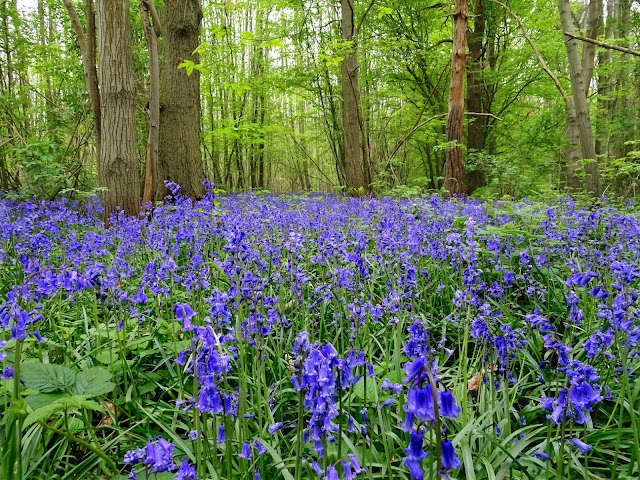
Areas of grassland are framed by large tracts of ancient woodlands that provide complementary habitats. Here are found small mammals, including badgers that pad to and from ancestral setts. Birdsong is often heard, along with the drumming of woodpeckers on hollow trunks. Above, riding the thermals, are birds of prey, while decreasing numbers of owls and bats still forage at night.
A precious environment
The chalk downland is a precious and diverse environment that we need to retain, while the woodlands – both ancient and recent – form essential wild-life corridors that enable species to thrive.